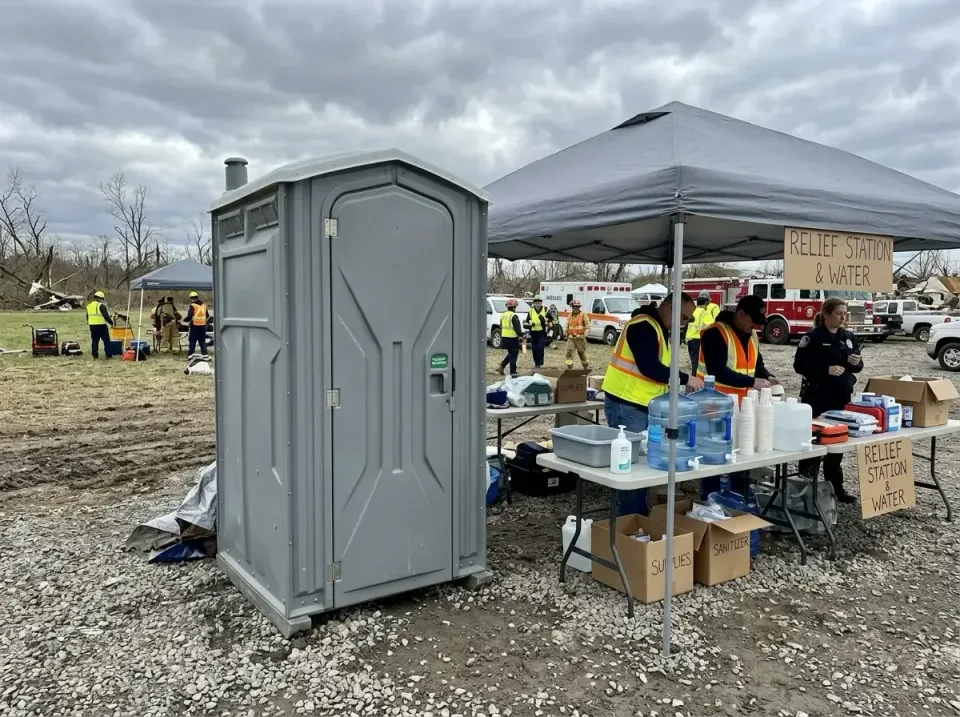
Why Does a Portable Toilet Waste Tank Overflow?
A portable toilet waste tank usually overflows when waste builds up faster than the unit is serviced, or when a blockage or placement problem interferes with use. Heavy use can fill a tank sooner than expected, so do not wait for waste to reach the opening before reporting a problem. Temporary toilet rental means matching the unit and service plan to the people using the site; too few service visits can leave customers facing an unusable restroom.
Toilet delivery also matters: a late unit can leave workers or guests relying on fewer toilets and accelerate fill-up. Waste management services include containing, pumping, and properly handling the collected waste not simply emptying a tank wherever convenient.
Our Dale City crew coordinates portable restroom service near the Dale City Recreation Center and considers local conditions, including the area’s humid subtropical climate and four distinct seasons. If the tank is visibly full, restrict use and arrange service.
What makes a construction site toilet overflow?
A construction site toilet can overflow when its service interval does not match the number of workers and daily use. The overlooked detail is often a changed crew size: an extra shift or a larger subcontractor crew can push a tank past its planned capacity before the next visit.
A toilet rental plan should account for actual headcount, work hours, and how long the project runs, then be adjusted when those numbers change. On a busy Dale Boulevard job, keep the unit accessible to the service vehicle; a pump-out cannot happen on schedule if parked equipment blocks the approach.
Stop using a unit once waste is near the opening. That protects workers from contact and gives the crew a clear signal to arrange service.
Can a blockage look like a full tank?
Yes. A clog can make waste rise or drain slowly even when the holding tank is not at capacity, and adding paper or objects can make the backup worse.
Do not reach into the bowl, pour in household drain chemicals, or try to move the unit; those actions can expose you to waste or damage the fixture. An OSHA construction site toilet requirements guide is useful because OSHA 29 CFR 1926.51 addresses sanitation facilities at construction sites, but a citation does not tell you whether a particular toilet is blocked or full.
We first need the site contact to describe what is visible and where the unit is placed. For recurring odor or use problems, see our guide to portable toilet smells in Dale City.
Why responsible waste disposal matters
Responsible waste disposal means collected material goes through an appropriate waste collection and disposal system, rather than being emptied onto the ground or into a storm drain. Improper dumping can contaminate the site and create a separate cleanup problem.
Waste stream management is the controlled path from a portable unit to an authorized receiving facility; tell the service provider if an overflow has reached soil or a drain, and keep people away from it. Do not attempt a DIY pump-out.
A vacuum truck and trained sanitation crew can contain and remove the waste without turning a full tank into a spill. Keep the work area clear until the unit has been assessed and the affected surface can be handled appropriately.
When should you call a pro instead of DIY?
Call for professional help when liquid or waste is spilling, the tank is at the rim, the unit is unstable, or you cannot tell whether the cause is a blockage or a full tank. DIY is limited to simple prevention: stop use, keep people clear, and report the symptoms and unit location.
Do not lift, tip, open service panels, or pump the tank yourself. Our crew coordinates sanitation service and disposal, and asks for unobstructed access so a truck can reach the unit safely.
For a construction site toilet, note the worker count and last known service date when reporting the issue; that information helps us assess whether usage or a missed visit may be involved. Read our construction toilet servicing guide for planning service around site use.
Which Portable Toilet Option Helps Manage Overflow Risk?
Choose according to the site’s usage pattern and whether you need a fixture, added capacity, or washing access. On a busy route near Interstate 95, plan where the service vehicle can reach the equipment; access matters when a tank needs attention.
| Option | Best for | Key detail |
|---|---|---|
| Standard porta potty rental | Smaller crews or straightforward sites | Compact unit, roughly 4 feet wide and 4 feet deep |
| ADA-accessible porta potty rental | Guests who need wheelchair access | Wider footprint; plan the placement area accordingly |
| Event porta potty rental | Gatherings with changing attendance | Match units and service visits to expected use |
| Holding tank rental | Added waste storage at a site | Capacity varies by model; confirm the intended use |
| Restroom trailer rental | Events needing indoor-style fixtures | Multi-stall configurations are available |
Ask whether service records are available upon request so the site contact can track visits. Scheduled cleaning and restocking help catch a rising fill level before it becomes an emergency. A ventilated interior supports airflow, but it cannot compensate for a tank that needs pumping.
How to Prepare a Site for Portable Toilet Service
Before delivery, identify the site contact and mark a firm placement area; event grounds need a workable plan for both guests and the service vehicle. Autumn temperatures generally support outdoor events, but placement still matters.
At Cloverdale Park, avoid low-lying areas where heavy downpours can flood event grounds and obstruct access. A handwashing station also needs a planned water supply: confirm fresh water for handwashing when selecting and preparing the setup.
| Step | Action |
|---|---|
| 1. Confirm access | Share the delivery address, contact, gate instructions, and any access limits before dispatch. |
| 2. Prepare placement | Mark firm, level ground and keep the area clear of vehicle and pedestrian traffic. |
| 3. Protect service access | Leave room for the truck to reach each scheduled unit and keep service panels unobstructed. |
| 4. Plan for attendance | Tell the provider expected attendance and request extra service for a high-use event. |
| 5. Arrange removal | Confirm pickup after the event and keep the access route open until collection. |
Get Help Before a Portable Toilet Tank Spills
A rising waste level, slow drainage, or visible spill calls for prompt attention; stop use and keep people away from the affected unit. Report the location, symptoms, and recent usage so the service crew can assess whether pumping or another correction is needed.
Near Dale City Library, event and project contacts should also keep the unit reachable for the scheduled visit. Hurricane remnants occasionally bring intense rain and wind, so secure a clear route and recheck access when weather changes.
Virginia Toilet Pros coordinates delivery and pickup with confirmed windows and clear site instructions. For an active overflow, request an assessment through our Overflowing Porta Potty Service page or call (844) 402-2049 to discuss the site and next steps.